
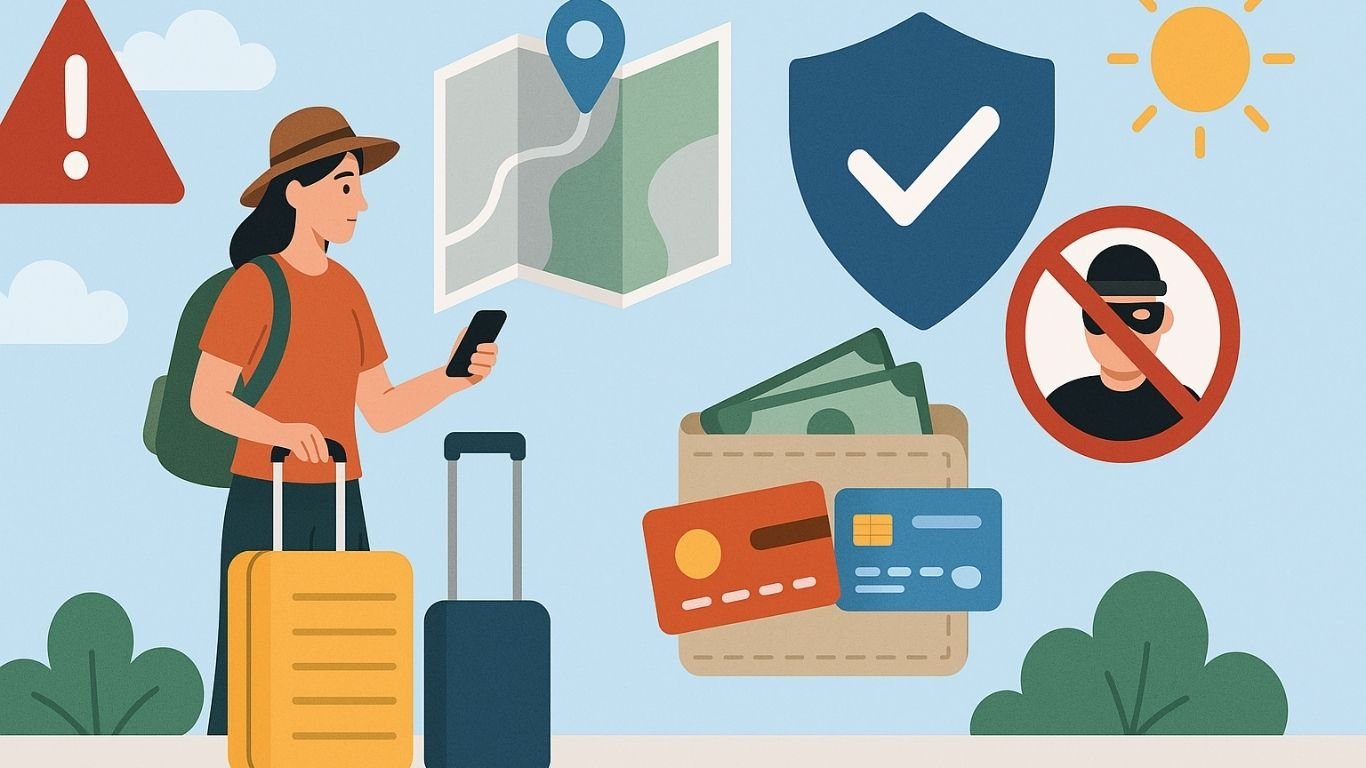
Travel, at its core, is a celebration of human curiosity. It’s the spark that drives us to explore distant lands, discover hidden cultures, and gather stories we carry for a lifetime. But amidst the excitement lies a critical element that too many overlook: safety.
In 2025, travel is more accessible—and complex—than ever before. From bustling metropolises to remote villages, travelers are navigating a world that’s both beautifully diverse and unpredictably dynamic. Whether you’re planning a weekend city escape or a months-long backpacking adventure, knowing how to stay safe is no longer optional—it’s essential.
This guide provides 22 practical travel safety tips designed to help you move through the world with confidence. Each tip draws from real-world experiences, global data, and insights from seasoned travelers and safety experts. You won’t find vague advice here—only clear, actionable steps that enhance your personal security without compromising the joy of travel.
Because true freedom on the road comes not just from where you go, but how prepared you are when you get there.
Table of Contents
Pre-Trip Preparations for a Secure Journey
1. Research Your Destination Thoroughly
Before setting off, immerse yourself in the logistics and nuances of your chosen destination. Check travel advisories from official sources like travel.state.gov or the UK Foreign Office. Learn about local crime rates, high-risk areas, emergency contacts, and political climates.
Understanding how locals live—how they dress, interact, and get around—can significantly shape your experience. Deep research can also uncover region-specific travel safety tips that guide you around potential risks, scams, or legal mishaps.
Pro Tip: Use forums like Lonely Planet’s Thorn Tree or WorldPackers to get real-time traveler input. Firsthand insights often reveal safety nuances that guidebooks miss.
2. Make Copies of Important Documents
Losing your passport abroad is a nightmare no traveler wants. To prevent unnecessary panic, scan your passport, visa, travel insurance, and IDs. Save copies in the cloud (Google Drive or Dropbox) and email them to yourself. Also, carry two physical copies—store one in your luggage and another hidden in a separate location.
It’s a small task that could save you hours of bureaucracy and stress in a foreign country.
Expert Insight: Use encrypted apps like 1Password or NordLocker to securely store sensitive information—an essential step in your arsenal of travel safety tips.
3. Inform Someone of Your Itinerary
Always share your travel plans with someone you trust. This isn’t just about sharing flight numbers—it means sending accommodation details, contact info, and key dates.
If your itinerary changes (and it probably will), provide periodic updates. This precaution creates a simple safety net, ensuring someone knows where you are in case of an emergency.
Real Example: While hiking in Peru, a friend missed a check-in. Because she had shared her route, local authorities were alerted in time—and located her safely after a minor injury delayed her return.
On-the-Go Safety Essentials
4. Stay Aware of Your Surroundings
Situational awareness is one of the most powerful travel safety tips you can practice. Stay alert, especially in crowded places like markets, public transportation, or tourist landmarks. Keep your phone tucked away when walking, and avoid using noise-canceling headphones in public.
Criminals often target distracted travelers. By appearing confident and aware, you make yourself a less attractive target.
Insider Tip: In cities like Barcelona or Buenos Aires—famous for pickpocketing—avoid stopping to engage with street performers or unsolicited “helpful” strangers. These are common distraction tactics.
5. Secure Your Valuables
Use anti-theft backpacks with hidden zippers, slash-resistant straps, and RFID-blocking pockets. Carry only what you need each day, and leave important documents locked in a safe at your accommodation.
Avoid carrying large amounts of cash or wearing flashy jewelry. Theft often targets visible wealth, not necessity.
Stat Insight: According to Nationwide’s travel safety report, tourists who visibly display expensive items are up to three times more likely to be targeted by thieves.
6. Be Cautious with Public Wi-Fi
It’s tempting to log onto free Wi-Fi in airports, cafés, or hotels—but unsecured networks are a breeding ground for cybercrime. Hackers can access your passwords, emails, or financial data with little effort.
Always use a reliable VPN (Virtual Private Network) to encrypt your connection. It’s one of the most overlooked travel safety tips in the digital age.
Trusted VPNs for Travelers: NordVPN, ProtonVPN, ExpressVPN
7. Use Reputable Transportation
Transportation is where many travelers let their guard down. Avoid accepting rides from strangers, unmarked taxis, or “friendly locals” offering to help. Use apps like Uber, Bolt, or licensed taxi services whenever possible.
Before getting in, confirm the vehicle’s plate number, driver name, and route—especially at airports or train stations.
Safety Tip: Enable live ride-tracking features and share your ride status with a friend. In some countries, like India and Brazil, Uber includes an emergency button in the app.
Health and Well-being While Traveling
8. Pack a First-Aid Kit
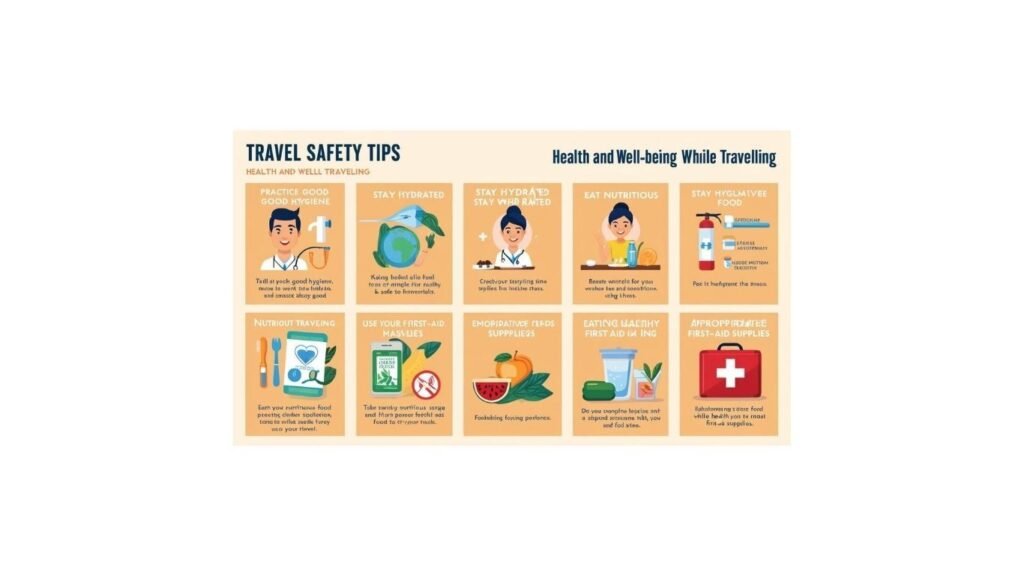
A well-stocked first-aid kit is one of the most underrated travel safety tips. It can be a lifesaver in remote areas or when medical help isn’t immediately available. Include basics like band-aids, antiseptic wipes, gauze, pain relievers, anti-diarrheal medication, motion sickness pills, and any prescription drugs you may need.
Tailor your kit based on your destination. If you’re traveling to a rural area, consider adding antibiotics (with a prescription), tweezers, and insect repellent.
Insider Advice: I always include rehydration salts—especially useful after long flights, hiking, or in tropical heat.
9. Stay Hydrated and Eat Safely
Traveling often disrupts eating and hydration routines, making you more vulnerable to illness. Always carry a refillable water bottle, and if tap water isn’t safe to drink, use water purification tablets or portable filters like LifeStraw.
When it comes to food, stick to places busy with locals—that’s usually a sign of freshness. Avoid raw or undercooked foods, and wash fruits before eating.
Quick Rule: Boil it, cook it, peel it, or forget it.
These food and water precautions are key travel safety tips for maintaining your health on the road.
10. Understand Local Health Risks
Every country has its own set of health concerns. Before departure, consult the CDC or WHO websites to understand the risks in your destination. You may need vaccinations, malaria prophylaxis, or extra documentation for entry.
Make sure you know the location of nearby hospitals or clinics and how your travel insurance handles medical emergencies.
Example: In some parts of Southeast Asia, dengue fever is a seasonal risk. Wearing long sleeves and using DEET-based repellent becomes essential.
Navigating Local Customs and Laws
11. Respect Local Customs and Traditions
One of the most respectful and practical travel safety tips is to understand and honor local customs. Every destination carries its own unspoken rules—what you wear, how you greet people, and even how you behave in public can dramatically impact your experience and safety.
In conservative cultures, modest clothing isn’t just a preference—it’s a sign of respect and, in some places, a legal requirement. Simple gestures like removing your shoes before entering a temple or refraining from public displays of affection can help you avoid conflict or fines.
Cultural Tip: In Thailand, disrespecting the royal family—even verbally—is a criminal offense. In Japan, speaking loudly on public transportation is frowned upon.
12. Know the Local Laws
Ignorance of the law is not a valid excuse—especially abroad. Drug laws, alcohol regulations, curfews, and behavior deemed “disruptive” vary widely. For instance, in countries like the UAE, even holding hands in public can lead to arrest.
Before you arrive, familiarize yourself with key legal differences. Check if you’re required to carry identification, whether it’s legal to take photos of government buildings, or if certain medications are restricted.
Important: Some over-the-counter drugs in your home country (like codeine or pseudoephedrine) may be illegal in others. Always check with the destination’s consulate.
Following these legal-related travel safety tips can protect you from serious misunderstandings—or worse.
13. Learn Basic Phrases
While you don’t need to be fluent, learning a few essential phrases in the local language can be a tremendous asset—especially in emergencies. Words like “help,” “hospital,” “I need police,” and “I don’t understand” can break down barriers and get you assistance faster.
Locals appreciate the effort, and it can also reduce your risk of being scammed, overcharged, or misunderstood.
Recommended Tools: Google Translate (with offline language packs), Duolingo, or phrasebook cards for quick access.
Emergency Preparedness and Response
14. Save Emergency Contact Information
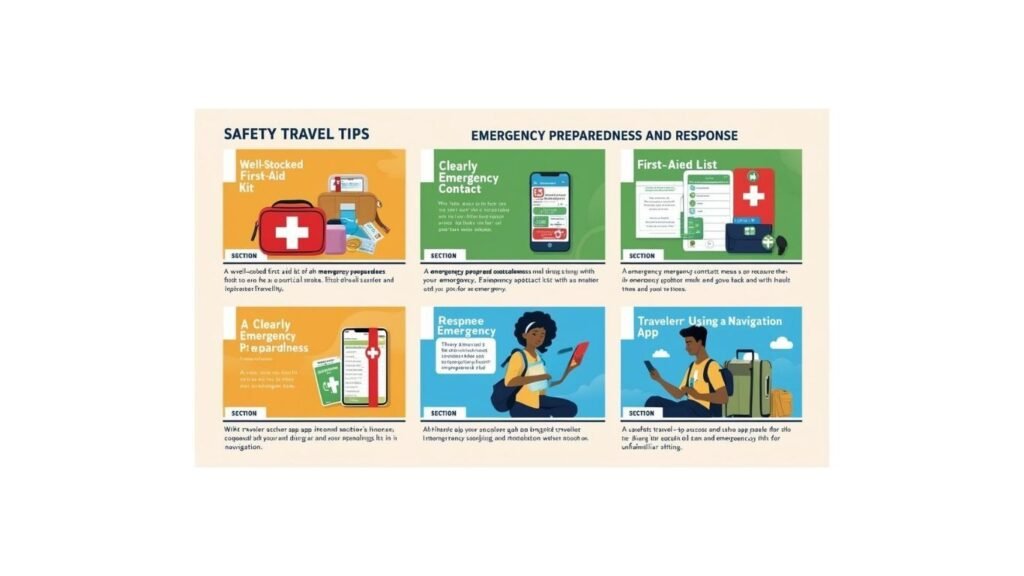
One of the simplest yet most effective travel safety tips is to have all your emergency contacts organized and accessible. Save local emergency numbers—police, ambulance, fire services—as well as the nearest embassy or consulate contact information.
Keep these numbers both digitally and physically. Write them down and tuck the card inside your wallet or daypack.
Pro Tip: On most smartphones, you can add emergency contacts that are accessible from the lock screen. Apps like ICE (In Case of Emergency) also let first responders access critical details if you’re unconscious or unable to speak.
15. Have Travel Insurance
Many travelers skip insurance, thinking it’s unnecessary. Until something goes wrong. Whether you face a sudden illness, injury, lost luggage, or flight cancellations, travel insurance offers a financial and logistical lifeline.
Choose a comprehensive plan that includes emergency evacuation, trip delays, and health coverage abroad. If you’re doing adventure activities—like skiing or scuba diving—make sure your policy includes them.
Top Picks: SafetyWing for long-term travelers, World Nomads for adventure trips, and Allianz for multi-trip annual coverage.
Among all travel safety tips, this one offers peace of mind and real protection when you need it most.
16. Trust Your Instincts
Logic is useful, but your instincts are primal—and often more accurate than we give them credit for. If a person, situation, or location makes you uncomfortable, remove yourself.
Don’t second-guess yourself to be polite. Safety comes before social grace.
Real Example: While in Istanbul, I was approached by a well-dressed local offering to “show me a great bar.” Something felt off. I declined. Hours later, I heard stories of travelers being drugged and robbed in similar setups.
Always listen to that quiet voice inside—it might just save your life.
Digital Safety While Traveling
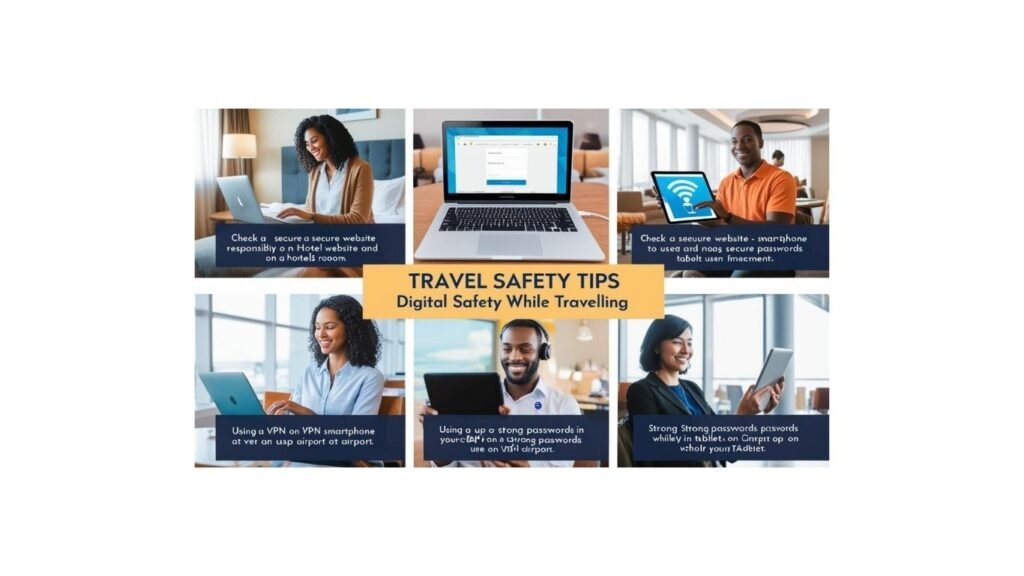
17. Secure Your Devices
Laptops, smartphones, tablets—your digital gear carries sensitive data. One of the most essential travel safety tips today is to secure your devices as fiercely as you protect your passport.
Set strong passwords and enable biometric authentication. Turn on remote tracking apps like “Find My iPhone” or “Find My Device.” Encrypt important files and keep backups stored in the cloud or on an encrypted hard drive.
Pro Tip: Before crossing borders—especially into countries with strict surveillance laws—log out of sensitive accounts and switch your devices to airplane mode. Some travelers even carry “clean” devices when visiting high-risk regions.
18. Be Mindful of Social Media Sharing
That perfect poolside selfie or live video from your hotel might seem harmless, but real-time posting can advertise your exact location to the wrong people.
Criminals can track you, monitor your movements, or even break into your home while you’re away. Delay your posts or share only with a close circle.
Smart Sharing Strategy: Post updates after you leave a location, turn off geotagging, and set profiles to private while traveling.
This is one of the more modern but crucial travel safety tips—and it can prevent both digital and physical threats.
19. Use a VPN
If you travel without a VPN in 2025, you’re exposing your data to unnecessary risks. A Virtual Private Network encrypts your internet connection, shielding you from hackers, trackers, and snooping on public Wi-Fi.
Whether you’re sending emails, booking flights, or logging into bank accounts, a VPN ensures your online presence stays secure.
Top VPNs: NordVPN, ProtonVPN, ExpressVPN—all offer robust encryption, no-log policies, and reliable speeds.
Beyond protection, a VPN can help you access restricted content, navigate censorship, and avoid price discrimination when booking services abroad.
Solo Traveler Specific Safety
20. Share Your Location
When traveling solo, staying connected isn’t just about updating your Instagram—it’s about keeping someone in the loop who can act if something goes wrong. Share your live location with a trusted friend or family member using apps like Google Maps, Life360, or WhatsApp.
Set check-in times—especially when heading out on hikes, excursions, or exploring after dark. This simple act is one of the most effective travel safety tips for solo adventurers.
Bonus: Some apps let you trigger emergency alerts silently if you’re in danger. Learn how to use these features before your trip.
21. Plan Your Excursions
It’s easy to get swept up in spontaneous plans—but for solo travelers, unplanned excursions can carry higher risks. Research tour operators, read reviews, and confirm details before joining group trips or solo outings.
Ask questions: Who else is attending? Is transport included? What are the safety protocols?
Insider Advice: When in Guatemala, I joined a volcano trek only after verifying the guide’s license and safety gear. Others who didn’t check ended up in poorly organized tours with no headlamps or emergency plans.
Planning doesn’t kill the adventure—it protects it.
22. Build Local Connections
One of the best travel safety tips for solo travelers? Find trusted locals. Whether it’s your Airbnb host, hotel receptionist, or a coffee shop owner, locals can offer insights you won’t find online—like which streets to avoid after dark or how to spot tourist scams.
But always maintain boundaries. Don’t share your full itinerary or hotel room number with new acquaintances, no matter how friendly they seem.
Tip: Language barriers? Use body language and translation apps to engage while staying cautious.
Conclusion
Travel, when done thoughtfully, is one of life’s most rewarding pursuits. It brings new perspectives, forges unforgettable memories, and offers glimpses into cultures far beyond our own. But whether you’re crossing continents or just state lines, your safety should always travel with you.
These 22 travel safety tips aren’t about fear—they’re about empowerment. With a proactive mindset, you can explore with freedom and confidence, knowing that you’ve done the work to protect yourself in unfamiliar environments.
From securing your documents and avoiding digital threats, to navigating local customs with respect and responding to emergencies with calm, these tips are the foundation of smarter, safer travel in 2025 and beyond.
Adventure and awareness can coexist beautifully—when you plan ahead, stay informed, and trust your instincts. Because the best travel stories are the ones you get to tell when you return home safe.
FAQ
Q: How important is travel insurance really?
Vital. Even a short trip can turn expensive if unexpected events occur—like medical emergencies, trip cancellations, or lost luggage. Comprehensive travel insurance gives you both protection and peace of mind.
Q: Is solo travel safe in 2025?
Yes—with preparation. Sharing your location, staying alert, and avoiding high-risk areas are key. Most solo travelers report enriching experiences, often stating they felt more connected and capable than ever before.
Q: What if I lose my passport abroad?
Immediately contact your nearest embassy or consulate. File a police report if necessary. Having copies of your passport and visa will significantly speed up the replacement process.
Q: Can I rely on hotel safes for my valuables?
Generally, yes—but it’s best to use a TSA-approved lockbox or portable travel safe for added protection. Always keep your passport and a credit card on your person or in a money belt.
Q: Are VPNs legal to use while traveling?
In most countries, yes. However, some countries—like China, Russia, and Iran—have restrictions or monitoring policies. Always check local laws before relying on VPN access.

